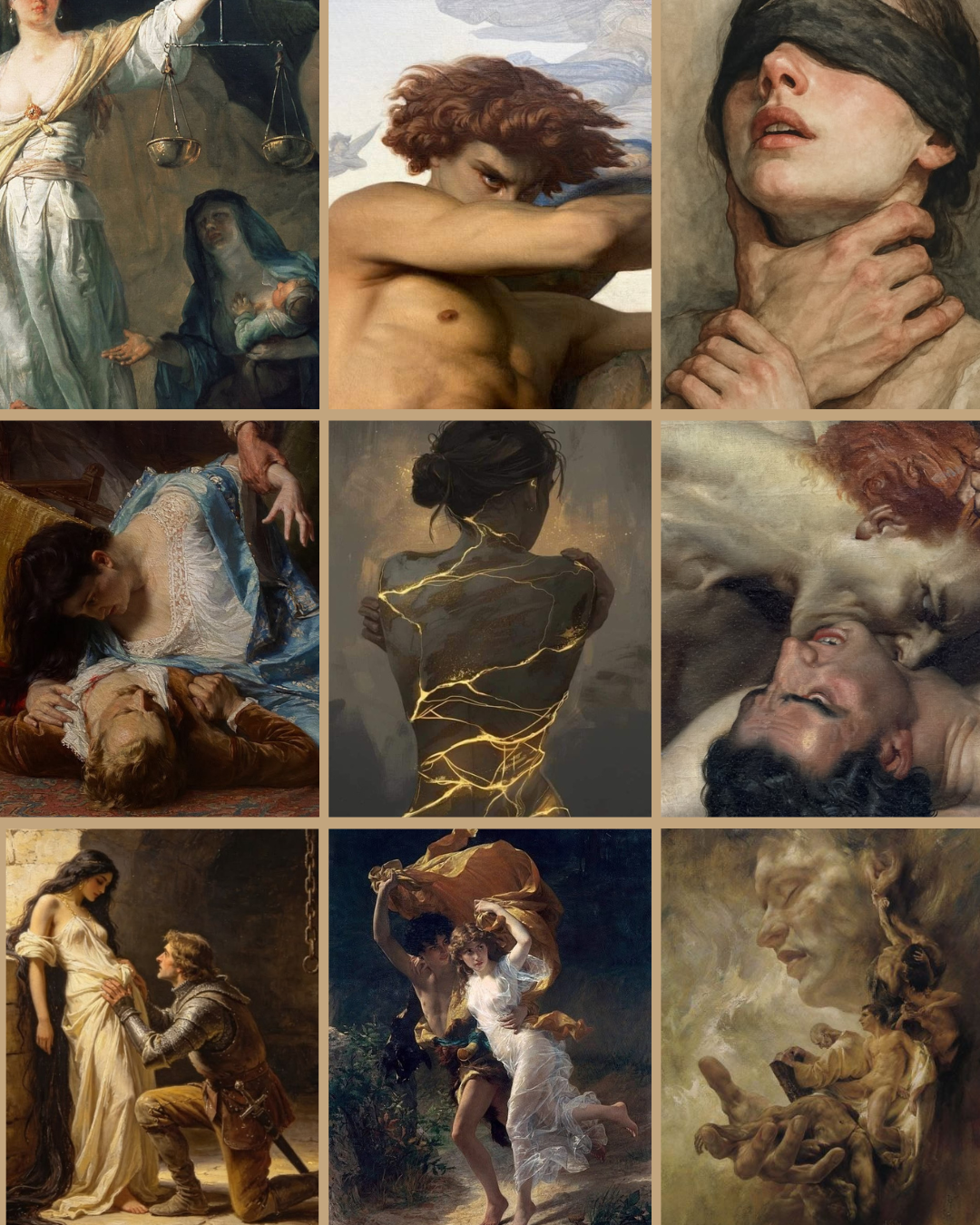
When people hear that you've signed a publishing contract, they often imagine the hard work is over. I thought getting accepted meant my manuscript was finally "finished." It wasn't - If anything - signing with Black Rose Writing marked the beginning of the most challenging part of my writing journey.
My editor and manuscript report forced me to look at "The Devil's Dance" in ways I never had before - and it was about making the story stronger - better and more emotional.
One of the biggest lessons I learned was not to fall in love with every sentence simply because I had written it. There were scenes I adored that slowed the pacing and descriptions I thought were beautiful that actually distracted from the story.
Editing taught me that writing is about serving the story - not your ego. Sometimes the best thing you can do is delete something you spent hours creating because the book will be stronger without it. It is never easy - but it is almost always worth it.
Another lesson was that readers want to experience emotion, not simply be told about it. And God - I LOVE telling emotion. I think it comes so naturally to us. Or - I'm just wired that way. My editor highlighted where I relied too much on phrases that explained feelings instead of allowing readers to discover them naturally through actions and dialogue. It also encouraged me to give my characters more agency and ensure every scene moved the story forward. Those comments changed the way I approach every chapter I write now.
If you're an aspiring writer - here are a few things I can say:
1. Accept criticism with an open mind. Remember that editors are trying to strengthen your story - not tear it apart.
2. Read your manuscript multiple times with different goals - keep pacing in mind, themes, structure and character development.
3. Style and tone has to be consistent.
4. Ask yourself whether every chapter changes something.
5. Keep learning - every manuscript teaches you something new.
6. Never assume your first draft is ready for publication.
7. Do not become defensive when you receive edits.
8. Do not ignore pacing just because you love a particular scene.
9. Do not rush the editing process. Great books are rewritten far more than they are written.
10. EDIT - EDIT - EDIT - It is important to spend every waking moment editing, because you only really get one shot.
Looking back now, I'm incredibly grateful for every comment and every revision. Editing can feel exhausting, frustrating and overwhelming, but it's also where the real magic happens. "The Devil's Dance" is a stronger novel because of the editing journey I've been through. It has made me a better writer - and I know it will influence every book I write from here on.